
How to Search the Twin Valley Court Docket
Twin Valley has no municipal court docket portal of its own. Neither the city nor the Judicial Branch offers one. So go straight to MCRO Case Search for any public case filed in Norman County. MCRO stands for Minnesota Court Records Online, the statewide public access point for court information. When you know the venue, select Norman County. Then click through to Case Details rather than stopping at the results list. Case Details holds the public Register of Actions. It may include hearing, disposition, document, judgment, and financial information.
- Gather the complete Twin Valley citation number or case number if one appears on the notice.
- Use MCRO Case Search and choose citation, case-number, person, or business search.
- Filter to Norman County when the Twin Valley event was filed locally.
- Read Case Details, including the event history and any detailed disposition.
- Check the current Norman court calendar or Court Administration before relying on a Twin Valley hearing time.
One quirk matters here. MCRO demands complete values in case-number and citation-number mode. Name searches are looser: a trailing wildcard works after at least two characters, though it cannot be combined with Sounds Like. And a pending criminal matter may not surface under a defendant name at all. That can happen when no conviction exists. For that reason, the citation or case number is usually the stronger Twin Valley court docket key.
Twin Valley City Data and Court Records
Twin Valley's city government posts an online forms page that includes a Data Request Form. That form reaches city records only. It is not a Judicial Branch form. It will not search a Twin Valley court docket. And it cannot pull a District Court Register of Actions. The difference matters most when a local ordinance, a city meeting, or some municipal record sits alongside a possible court filing. Each request goes to a different office. The forms page below shows the city-record route and where its authority stops.
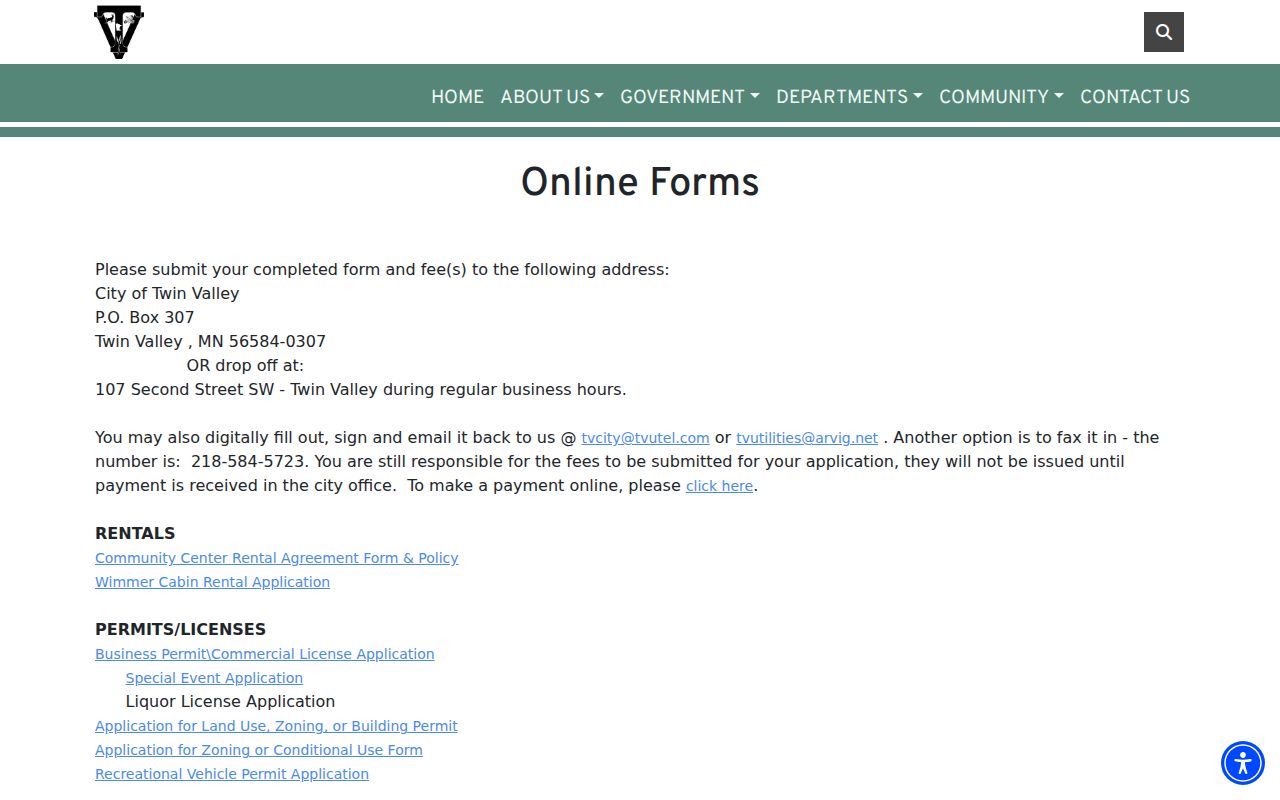
The city form handles municipal records only. Nothing in it points to a judicial case-search tool or a process for requesting court documents from Twin Valley. A city data request and a court copy request are two different errands.
For a filed Twin Valley case, Norman County Court Administration is the office to call. Staff there field Twin Valley certified-copy orders. They also answer calendar questions and questions about which docket entries are public and which are restricted. The city can hand over its own records. The court docket itself lives with the county.
The Twin Valley Municipal Court
Twin Valley operates no separate Municipal Court. There is no city court clerk, no municipal docket calendar, and no online city citation portal. A case arising in Twin Valley belongs to Norman County District Court. The city's clerk-treasurer is a municipal official. That is not the court administrator who keeps the state court record. Twin Valley's administration page lists Rachel Johnson as clerk-treasurer. That office handles city administrative business. Do not use it for a District Court Register of Actions. Court Administration in Ada is the local judicial contact, and MCRO serves as the statewide public search surface.
Twin Valley court boundary: City records and court case records live in different offices. No separate Twin Valley court portal exists.
Twin Valley Citation Record Route
A Twin Valley citation can be traced in two stages. The city ordinance page helps you identify the local code context. Then the full citation or case number tells you whether the matter was ever filed in court and, if public, where it sits in MCRO. Be careful about what a code chapter proves. By itself it establishes no court filing. It sets no appearance requirement, no disposition, and no payable amount. Only the court record answers those questions. The Twin Valley ordinance page supplies the local-code side. That is one half of this Twin Valley court docket route.
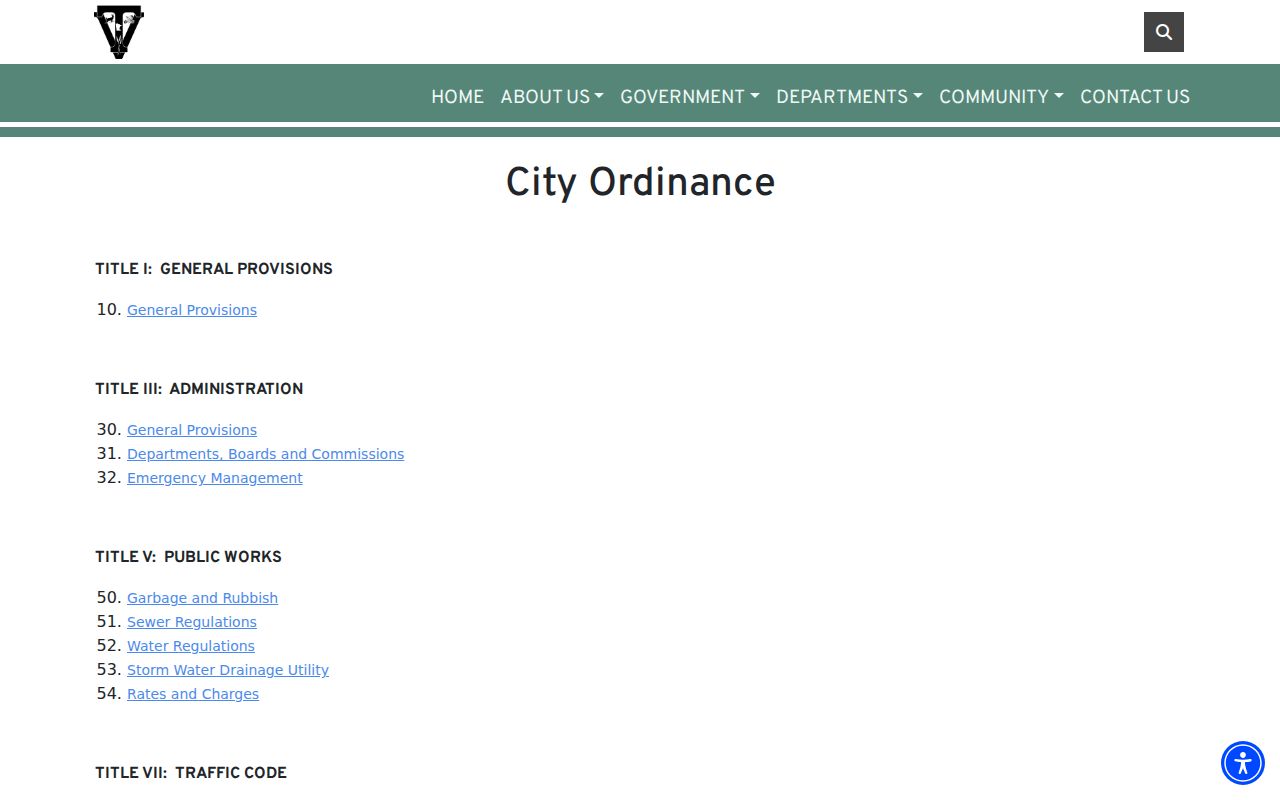
The ordinance page is good for reading municipal text. It cannot show a District Court Register of Actions or a final case result. Minnesota's statewide Local Ordinances in MNCIS material explains that local governments submit ordinance information. District Court judges then designate which local ordinances are payable. Check the citation against the statewide payable reference. The answer tells you whether a Twin Valley ticket can simply be paid or requires a Twin Valley court appearance.
Twin Valley Court Dates and Settings
A Twin Valley court setting shows up on the Norman County daily public calendar. It will not appear on a city meeting calendar. The court posts the PDF every business day at 7:00 a.m. The file is updated hourly. Settings can shift by case, judge, or courtroom. The court treats printed calendars as the most current version. They hang outside courtrooms and in public lobbies. If a Twin Valley hearing is missing, changed, confidential, or unclear, contact Court Administration.
| Party label | A searchable public-calendar entry when the Twin Valley-related matter is posted. |
|---|---|
| Date and time | The scheduled District Court setting, subject to an update or continuance. |
| Hearing location | The court location field, which may identify Court Room 1 or another court location. |
| Judicial officer | The officer shown for the listed hearing. |
| Hearing and connection type | The proceeding label and any listed connection information, not an automatic public meeting invitation. |
The Norman daily calendar shows current settings, not a full case history. For a second route, try MCRO Hearing Search by name, case number, judicial officer, attorney, or date range. Then compare it with the current PDF.
Twin Valley City and Court Custodians
Start with the right office. Twin Valley City Hall and the city clerk sit at 107 Second Street SW, P.O. Box 307, Twin Valley, Minnesota 56584. The city lists 218-584-5254 along with its municipal office hours on its contact page. City staff handle city-government questions. Court questions go elsewhere. Norman County Court Administration, at the courthouse in Ada, fields docket questions, certifications, public-terminal access, and hearing confirmations for a Twin Valley court matter.
Twin Valley's contact page lists the municipal-contact details. Those details anchor this Twin Valley court docket comparison.
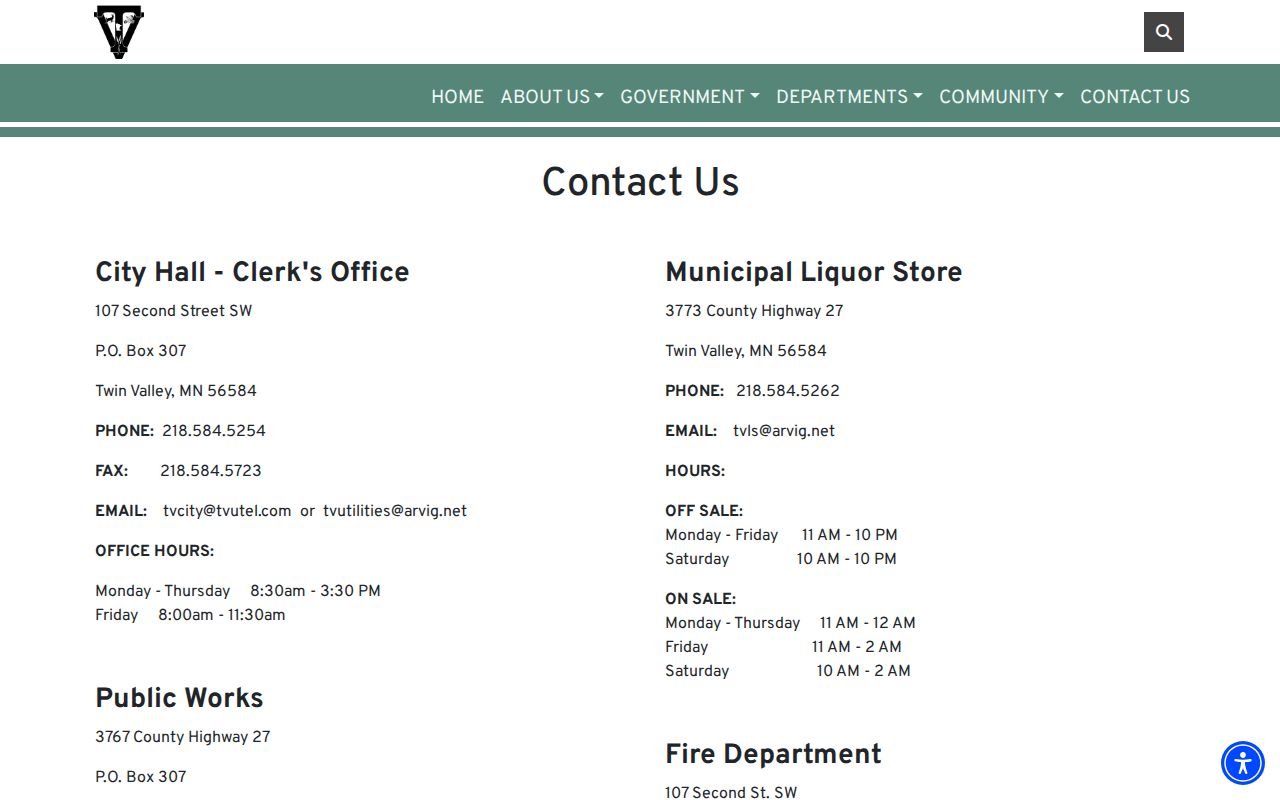
That city contact listing covers city business only. It names no court clerk, no city court docket, and no District Court records counter. Sometimes you only know an event happened in Twin Valley. You can ask the city whether a city record exists. The question may turn on a filed court matter. Then gather the case number, the citation number, the names, and the Norman County venue. Those identifiers make a docket search far easier.
Twin Valley Traffic Tickets
Citations that reach court are searched through MCRO. They run through District Court and the Court Payment Center as applicable. The court assigns a case number once a citation is submitted. The state offers a warning. The Payment Center may need up to seven days after issuance or submission before it can help. Online payment takes Visa or Mastercard. Automated phone payment works at 651-281-3219 or 800-657-3611. Staff do not take card payments by phone.
A payable petty misdemeanor moves differently than a mandatory-appearance matter. Felonies, gross misdemeanors, and mandatory-appearance offenses all require court action. Paying a payable offense is a guilty plea and waives the listed trial rights. The city forms page is not a payment channel for a Twin Valley court citation.
The city posts no municipal-court citation payment page and no local court fine schedule.
Twin Valley Payable Offense Route
Payment starts with the exact offense and citation number. The fact that the event occurred in Twin Valley is not enough. The Statewide Payables Reference treats petty misdemeanors as generally payable. Some misdemeanors may be payable statewide or by local designation. Official Court Payment Center guidance covers three routes. Pay by case or citation number, by mail to the state payment center, or in person at the District Court where the citation was issued.
The clock is generally 30 days. It runs from the citation filing date, and payment or a payment arrangement must meet it. Missing payment or a court date has costs. Late penalties, a warrant, collections, and other consequences tied to the offense can follow. For a court result, return to the state court source. A Twin Valley ordinance page will not answer that.
Where Twin Valley Cases End Up
Twin Valley has no separate municipal docket layer. Local filings all route to one place. Traffic, criminal, civil, family, probate, juvenile, and other Twin Valley cases go to Norman County District Court. The Ninth Judicial District court record is then searched in MCRO and the daily court calendar. An ordinary appeal goes to the Minnesota Court of Appeals. Federal litigation runs in a separate federal docket system. It never shows up in state MCRO results.
Docket flow: Twin Valley city question › Twin Valley municipal office; Twin Valley filed court case › Norman County District Court › Minnesota Court of Appeals on the ordinary state appellate route.
The 2020 Census puts Twin Valley at 723 residents, second in the selected Norman County incorporated-place ranking. Population size does not change which court keeps a Twin Valley case record.
Twin Valley Court Docket Local Context
The Twin Valley administration page supplies the city-government context behind this Twin Valley court docket information.
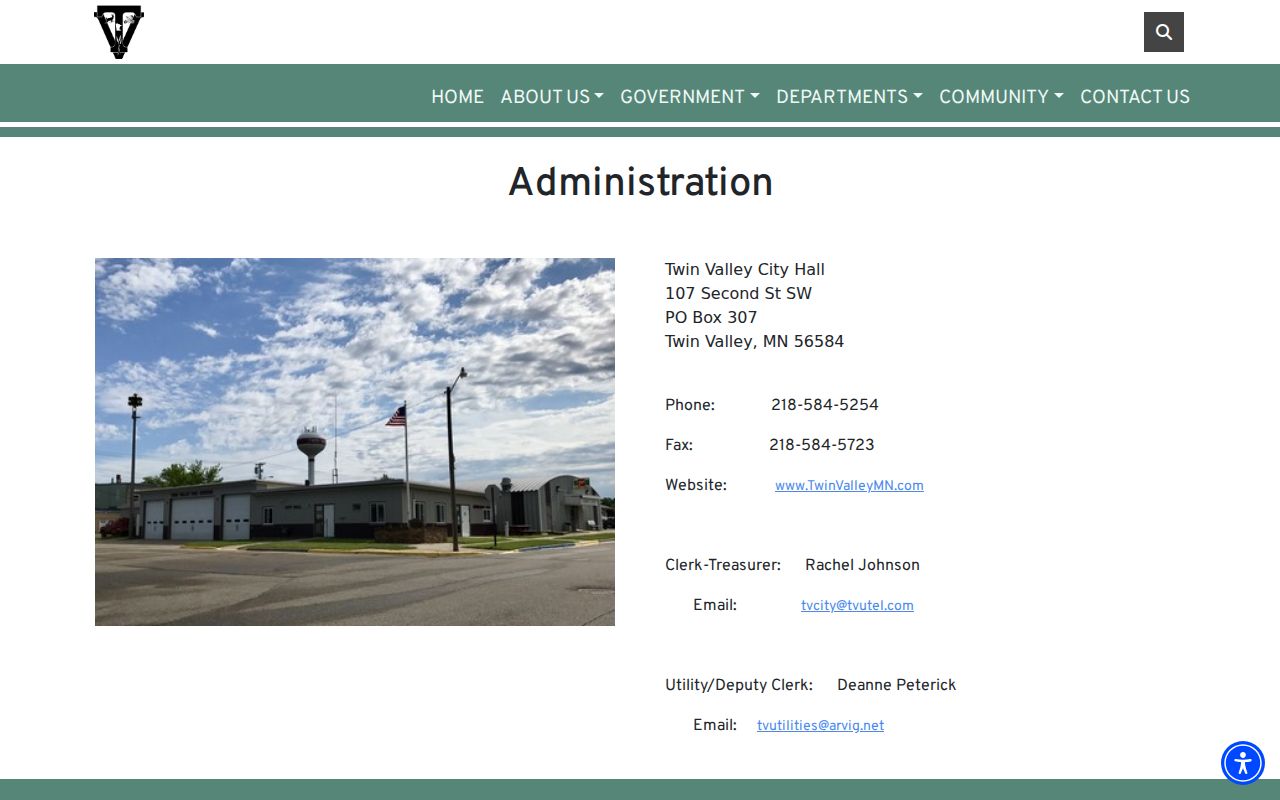
City administration and the county court custodian are two different things. The Twin Valley administration listing does not create a municipal court. It adds no local docket calendar or court-records procedure.
The split is practical. City staff handle the city side. They can explain a Twin Valley ordinance version, a municipal form, or a local administration question. Court Administration answers whether a public Twin Valley court record can be inspected or copied. MCRO offers an online starting point. It cannot certify documents or take filings. It also cannot schedule hearings or accept a fine payment.
Public Access to Twin Valley Court Records
Twin Valley court records follow Minnesota Judicial Branch rules. Public records can generally be inspected where they are kept, during regular hours. Remote access has separate limits. The Register of Actions is the case history: the filings, activities, and proceedings in one place. Confidential, sealed, juvenile, protected, domestic-abuse, harassment, CHIPS, and civil-commitment records carry restrictions. No city data request can override them.
Key Rules:
Rule 4 identifies accessible and nonaccessible court-record categories.
Rule 8 governs inspection, copying, remote access, and public terminal access.
Minn. Stat. § 13.03 is Minnesota’s general public inspection and copying statute where applicable.
Minn. Stat. § 609A addresses expungement and sealing.
MCRO records are unofficial and can be incomplete. A certified Twin Valley-related District Court record comes only from Court Administration.
Twin Valley Court Docket No Portal
No Twin Valley municipal-court portal exists. That is an access fact, not a dead end. Use MCRO for a public case. Turn to the Norman calendar for a current setting. The Court Payment Center handles the state payment path where it applies. Norman County Court Administration handles copies, certifications, restricted records, and no-result questions. This county route beats treating city forms or city contacts as docket-search tools.
Twin Valley's city website provides the local-government side of the remaining Twin Valley court docket context.
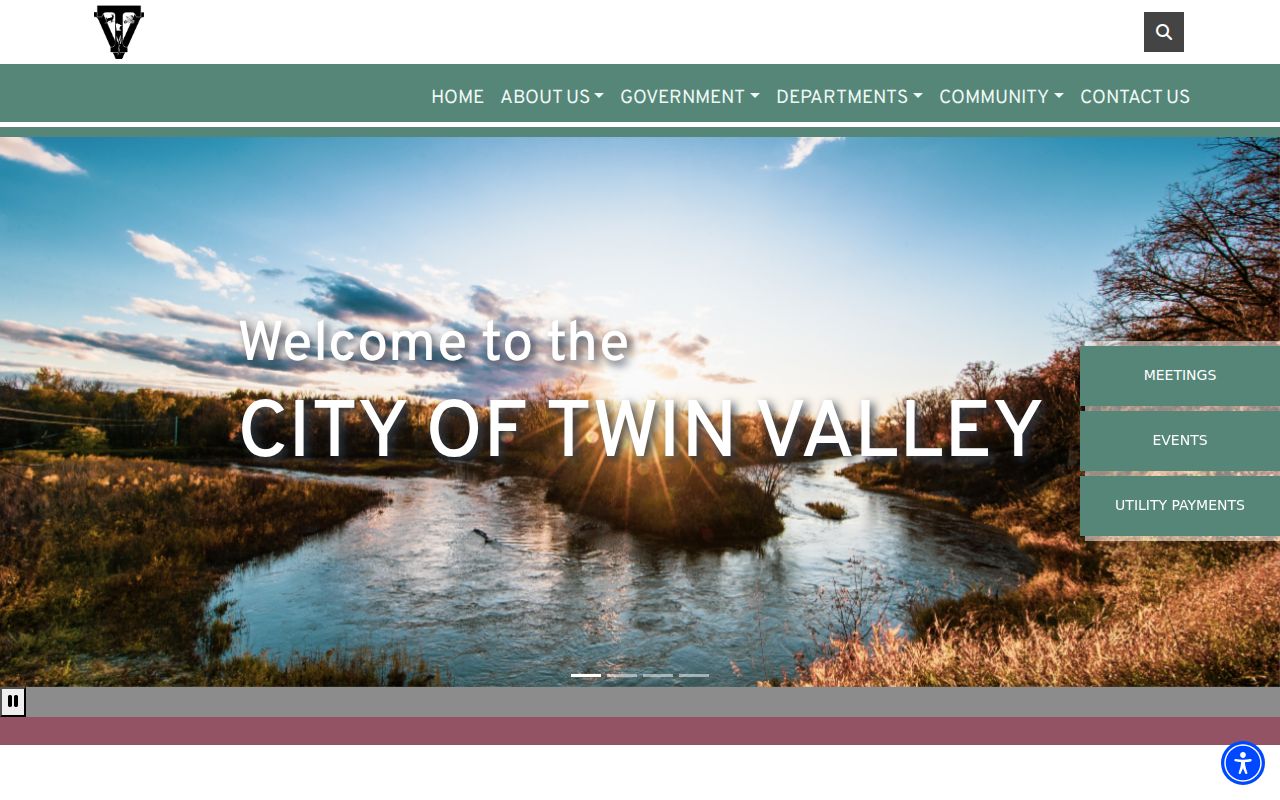
Twin Valley keeps its city information on a municipal site, and that page speaks only to city matters. It is not a court docket portal. No Twin Valley Register of Actions sits behind it, and no clerk of court office lives there either. Norman County, not the city, is where those court records sit.
One more caution about the Twin Valley docket. An empty search does not mean no case exists. A restricted case category, thin remote coverage, or a name-search quirk can all hide a record. Some filings can only be pulled at the courthouse.